Understanding Suspension and Steering: Your Guide to a Smooth Ride
The way vehicles handle rough roads creates a clear division between those which manage to stay smooth and others that deliver a rough ride to their passengers. The primary factor which distinguishes these two vehicles comes from their suspension and steering mechanisms. Your vehicle depends on these systems to handle driving conditions while protecting passengers and managing tire degradation. At Tumbi Tyres, we help NSW drivers understand these critical systems and keep them performing at their best.
Why Suspension and Steering Matter
Your vehicle depends on suspension and steering systems to perform three essential functions which include bump absorption for passenger comfort and road contact maintenance for safety and cornering control and weight distribution to protect your vehicle structure. Your vehicle drives in an unsafe manner when these systems become inoperable while the vehicle becomes uncomfortable to operate.
How Your Suspension System Works
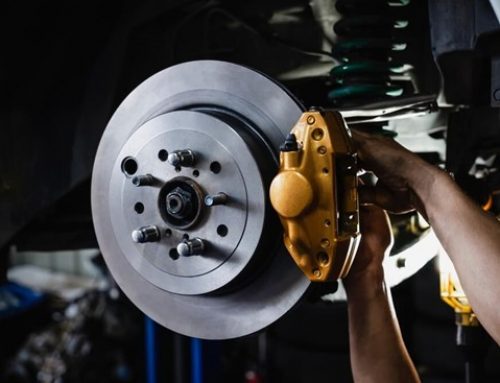
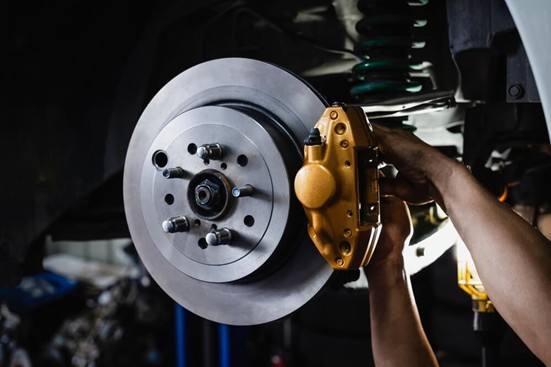
Your suspension system consists of springs, dampers (shock absorbers), control arms, and linkages that work together to absorb energy from bumps, keep your tyres in contact with the road, maintain wheel alignment, and control body roll during cornering. Your vehicle suspension system operates through a sequence of movements which starts with compression to absorb road impact followed by rebounding to restore vehicle levelness. The system operates at its best until time and regular use degrade its functionality.
How Your Steering System Works
Your steering system converts your steering wheel input into wheel movement. The system consists of steering wheel and column together with steering gearbox or rack and tie rods and ball joints and steering knuckles which connect to your wheels. Power steering systems add hydraulic or electric assistance, making steering easier. Steering components malfunction or wear down which leads to dangerous difficulties with steering precision and control.
The Connection Between Suspension, Steering, and Tyre Wear
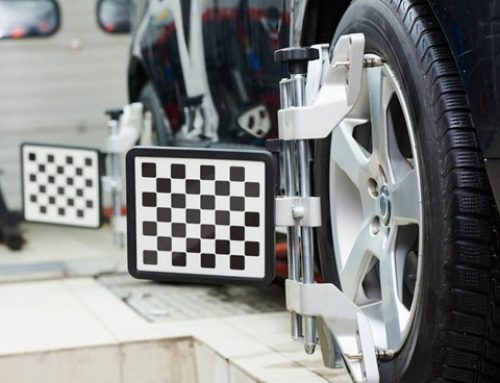
Your tyres will wear out fast because your suspension and steering parts are in poor condition. Your vehicle will show signs of unevenness because worn suspension affects wheel alignment. The steering components that become loose or worn will make the wheels point in different directions which results in uneven tyre wear. Uneven tyre wear typically results from problems with your suspension system or wheel alignment rather than the tyres themselves.
Common Suspension and Steering Problems
Your suspension system will lose its ability to manage suspension movement when shock absorbers become worn out. Worn struts combine springs and dampers and require replacement. The steering system produces clunking sounds and loose steering because of worn ball joints and tie rods. The steering system will pull to one side because of misalignment which also results in rapid tyre wear. Power steering fluid leaks reduce steering assist and can damage the pump.
Warning Signs Your Suspension or Steering Needs Attention
The signs of a bad suspension system include bumpy rides and excessive bouncing and excessive leaning when cornering and loose or unresponsive steering and vehicle pulling to one side and uneven tyre wear and clunking sounds and steering wheel vibration and heavy steering feel.
Book Your Suspension and Steering Inspection Today
Your vehicle needs a suspension and steering inspection at Tumbi Tyres when you notice driving discomfort and irregular tyre wear patterns. We will identify the issue and explain the required solutions to you.
You can reach Tumbi Tyres by calling 4388 4855 or by visiting tumbityres.com.au to schedule your suspension and steering inspection today. Get back to enjoying a smooth, safe ride.